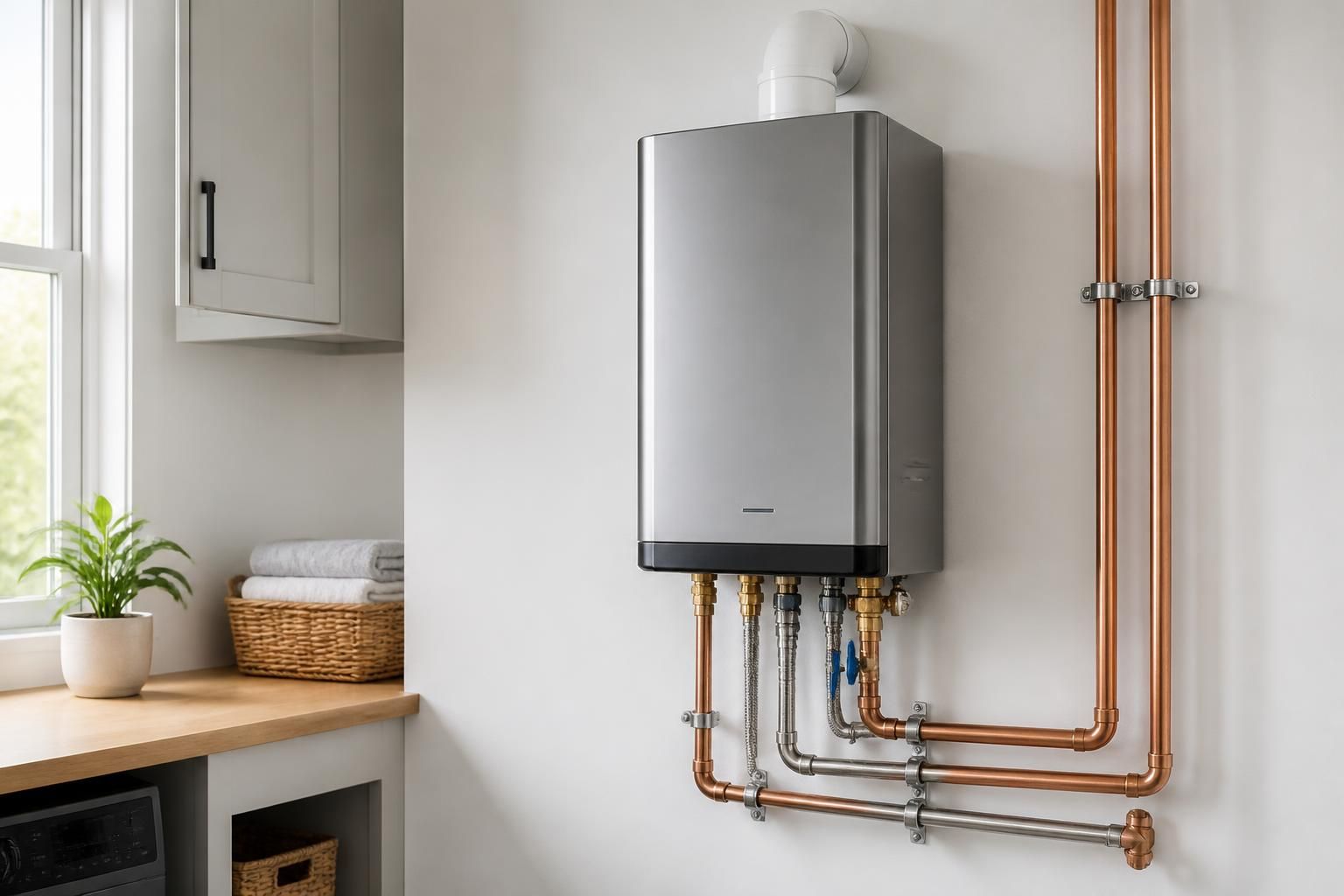
Water Heater Installation in Pittsburgh
Water heater installation for Pittsburgh homeowners who need a replacement set up and connected.
Water heater installation for Pittsburgh homeowners who need a replacement set up and connected.
If your water heater is leaking, running out of hot water halfway through a shower, or rumbling like a kettle, the next step is usually a replacement. Wolf Plumbing installs water heaters for Pittsburgh, PA homeowners, from removing the old unit to connecting and starting up the new one. To get started, call or send a request describing your current heater and what is going wrong.
Maybe the tank is rusty at the bottom, the water comes out lukewarm no matter where you set the dial, or you are tired of paying for repairs on an aging unit. A new installation settles it. We look at your setup, talk through the options, and give you a clear plan before any work begins.
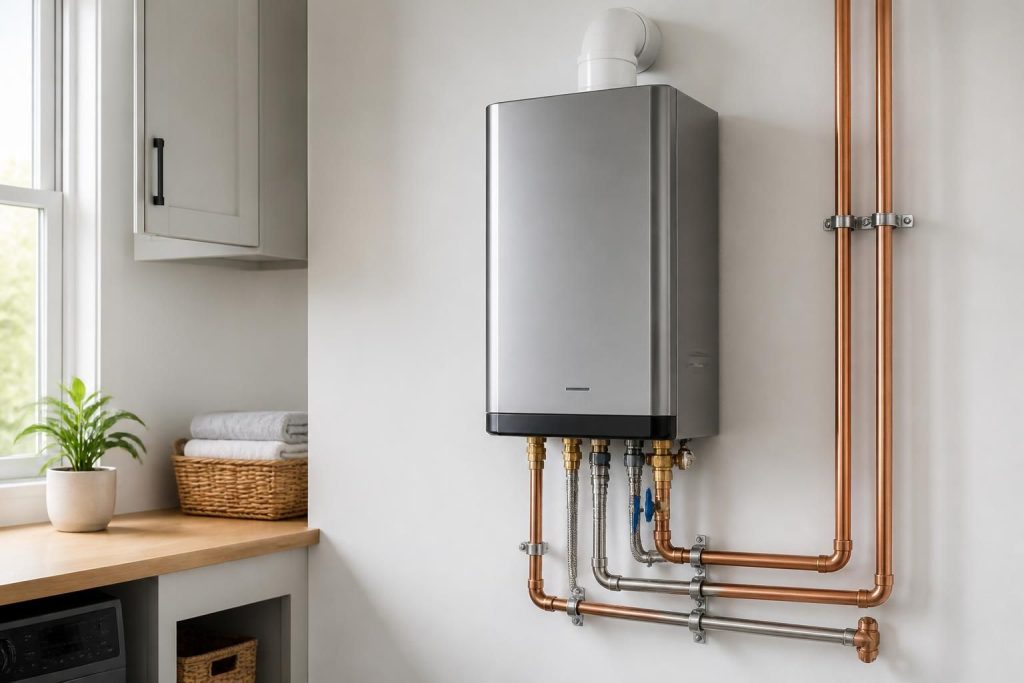
Water heater installation means taking out the old heater and putting a new one in its place, connected to your water supply and your fuel or power source. The job usually includes the following:
Swapping one tank for a similar one is the most common job. The connections are already in place, so the work centers on fitting the new unit to what is there and fixing anything worn, such as corroded fittings.
Sometimes a homeowner wants a different size, a different location, or a different type of heater. That can mean extra piping or venting changes, so it is worth raising early so the quote reflects it.
Water heaters rarely fail without warning. Watch for these:
Homeowners often mix up water heater repair and water heater installation. Repair fixes a part, such as a heating element or a thermostat, while the tank keeps going. Installation replaces the whole unit. This page covers installation. If your heater is fairly new and has one clear fault, repair may be the smarter move, and we can tell you which way to go after looking at it.
Replacement tends to make more sense when the tank itself is leaking, when the unit is old and has needed several fixes, or when the repair cost approaches what a new heater would cost over time.
Every home is different, but a typical installation follows this order:
A heater that is too small leaves the last person in line with cold water. One that is too large wastes money to keep hot. Household size, number of bathrooms, and habits such as back-to-back showers or laundry all matter. Bring these up when you talk through options.
Most homes already have a gas or electric connection at the heater. Staying with what you have usually keeps the job simpler. Switching can mean new lines, venting, or electrical work, which changes the scope. Our crew can walk you through what a switch would involve before you commit.
Whoever does the job, hold the work to these standards:
Water heater installation costs vary because homes and heaters vary. The main factors are:
A clear written quote should spell out the scope of work, which parts and heater model are included, any extras listed separately, and how changes are handled if something unexpected turns up once the old heater is out. Ask for that before work starts so there are no surprises.
Before hiring anyone for a water heater installation in the Pittsburgh area, ask:
A straightforward swap usually takes part of a day. Changes to venting, piping, or location, or a hard-to-reach basement setup, can stretch that. The tank also needs time to fill and heat up before you have hot water again.
Most tank heaters last about ten years, depending on water quality and how much sediment collects. Leaks, rust, and falling performance are better signals than the calendar alone.
It comes down to the heater type and size, the fuel source, the condition of connections, access to the space, and any permits or extras. We explain what drives the number so you can compare it fairly with other quotes.
Often yes, but it usually means new lines, venting changes, or electrical work. That adds to the scope, so discuss it before choosing a heater.
If the leak is in the tank, replacement is the answer. If a single part has failed on a fairly new unit, repair may be enough. A look at the heater will settle it.
Clear a path to the heater, move stored items away from it, and know where your main water shutoff is. Let us know about stairs or tight spaces when you call or send a request.
Start Here
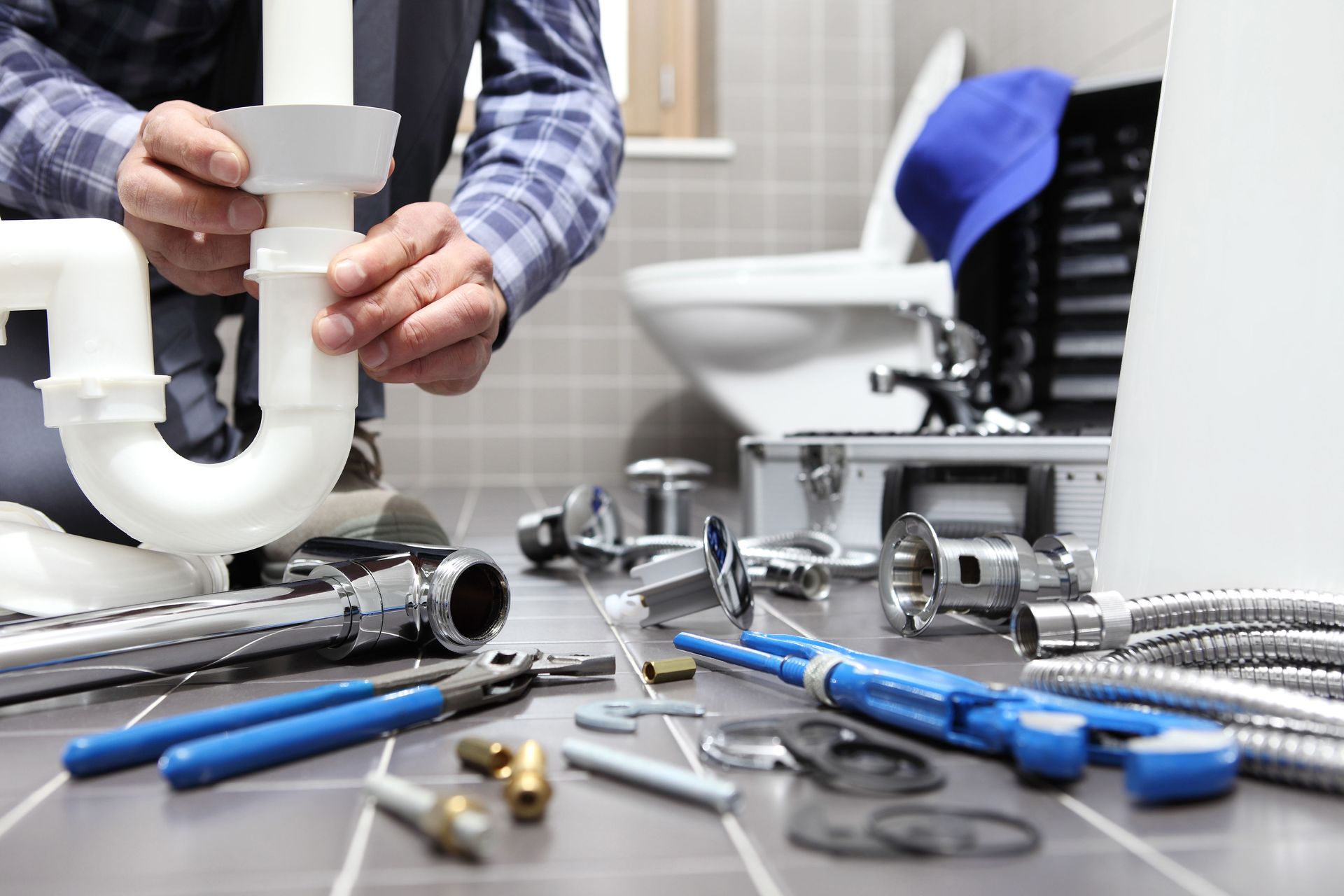
Tell us what is going on with your plumbing and we will help you plan the next step, from a quick repair to a full installation.