Leak Repair in Pittsburgh
Wolf Plumbing finds and fixes dripping pipes, damp walls, and hidden leaks for homeowners across Pittsburgh, PA.
Wolf Plumbing finds and fixes dripping pipes, damp walls, and hidden leaks for homeowners across Pittsburgh, PA.
Wolf Plumbing handles leak repair for homeowners in Pittsburgh, PA, from a dripping supply line under a sink to a pinhole leak in a wall or a weeping pipe fitting. If you see water where it should not be, or your water bill climbs for no clear reason, call or send a request and tell us what you are noticing.
Most leaks start small. You might see a brown stain on a ceiling, smell something musty in the basement, hear water running when every tap is off, or notice the floor near the water heater is damp. If you can do it safely, close the shutoff valve at the fixture or the main shutoff, move anything valuable out of the way, and take a few photos. That gives us a head start on finding the source.
Not every leak drips. Some of the most expensive ones are slow and hidden. Watch for these:
Leaks tend to show up in the same handful of places. Knowing them helps you describe the problem and helps us narrow down the search.
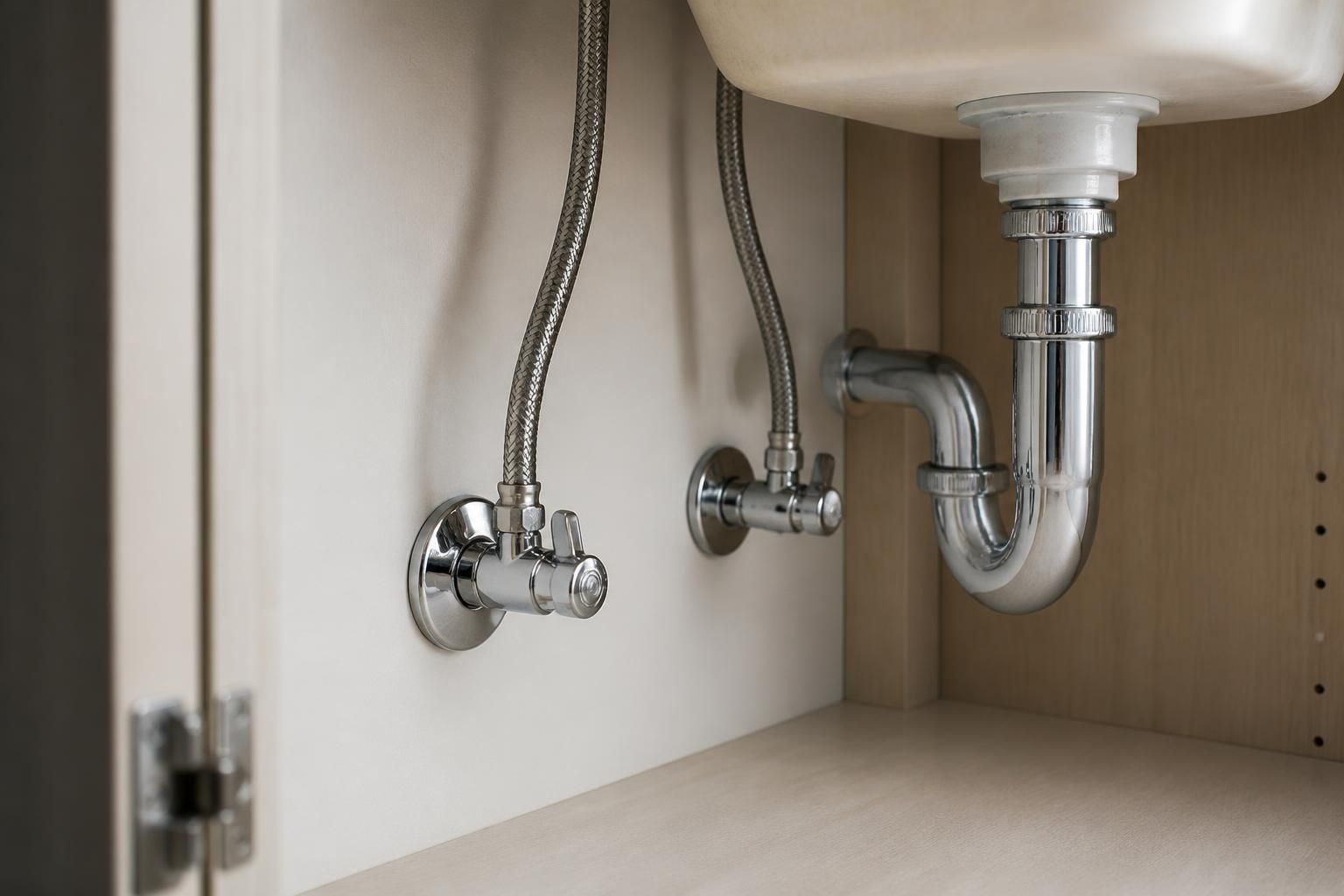
Supply lines, shutoff valves, faucet bases, and toilet connections are common culprits. These are usually the easiest leaks to reach and fix, and they are often caught early because the water is visible.
Hidden leaks are trickier. A pinhole in a pipe, a failed joint, or a corroded section can soak framing for weeks before a stain appears. Many Pittsburgh homes are older, and older piping can wear out at joints and bends, so the leak you can see is not always where the water starts.
Homeowners often ask whether a leak means the whole pipe has to go. Sometimes it does not. A single failed fitting, a worn valve, or one damaged section can often be repaired on its own. When a pipe is corroded along much of its length, or the same line keeps leaking in new spots, replacing that run usually makes more sense than patching it again and again.
This page covers finding and repairing the leak itself. Replacing longer runs of pipe is a separate job that we also handle, and we can talk through which route fits once we see the condition of the line. Leaks tied to a water heater or a sewer line are handled through those separate services, so mention them when you reach out.
Every home is different, but a typical leak repair visit follows a clear order:
Whoever you hire, a good leak repair has a few clear marks:
Pittsburgh winters swing between freezing and thawing, and pipes in unheated basements, crawl spaces, and exterior walls can be stressed by that cycle. Older houses are common across the region, and older pipe materials and soldered joints may show wear after decades of use. Hilly lots and basements that stay damp can also make a slow leak harder to spot. None of this means every home has a problem, but it is why a small stain or a bill spike deserves a quick look.
Leak repair is not a one-size job, so the price depends on the situation. The main factors are:
A clear written quote should spell out the scope of the repair, what is and is not included, any extras such as access work or repairs to finishes, and how changes are handled if the problem turns out larger than expected. Ask for that before work begins, so there are no surprises.
Before you let anyone open a wall or shut off your water, ask:
We serve Pittsburgh and nearby communities, including Mt. Lebanon, Bethel Park, Upper St. Clair, Brentwood, Dormont, Monroeville, and McKeesport. Wolf Plumbing is locally owned, and we have more than 20 years of experience with residential plumbing across the region. Talking plainly about what we find, and what it will take to fix it, is how we like to work.
Look for stains, bubbling paint, soft spots, or a musty smell, and listen for hissing when fixtures are off. A water meter that keeps moving after every tap is closed is another strong clue. We can trace it from there.
It depends on access and the cause. A worn supply line or valve is usually quick, while a leak behind a wall takes longer to locate and reach. We will give you a sense of timing once we know what is leaking.
It is based on the leak location, how hard it is to reach, the pipe material, the parts needed, and whether any opening of walls or floors is involved. A written quote should lay these out clearly.
A slow drip can seem harmless, but it can soak framing, damage flooring, and raise your water bill the whole time. Shutting off water to that fixture can buy you time, but it is better to have it looked at soon.
Sometimes, if the pipe cannot be reached any other way. If an opening is needed, we explain why and where before work starts, and the quote should say who handles patching afterward.
If the damage is limited to one spot, repair is often enough. If the pipe is worn along its length or keeps leaking in new places, replacement may save you repeat visits. We will walk you through both options.
Start Here
Tell us what is going on with your plumbing and we will help you plan the next step, from a quick repair to a full installation.